Neighborhoods in Cuenca: Centro, rivers, and the edges.
Cuenca is a compact Andean city: a colonial Centro, residential belts along the rivers, and quieter edges. Centro walks well and is louder. Yanuncay is residential south of the river. Challuabamba sits east, a bit lower and more suburban. “Gringolandia” is a local nickname for the Ordóñez Lasso high-rise strip, not an official census name. South near Bomberos and the Jardín Botánico is green and local. Rents change. Walk the blocks.
We do not publish rents. Asking prices on Facebook and in English Facebook groups go stale in weeks, and they are not the street. If you are choosing a barrio, walk it at 8 a.m. and again at 8 p.m., on a weekday and a Sunday.
Centro
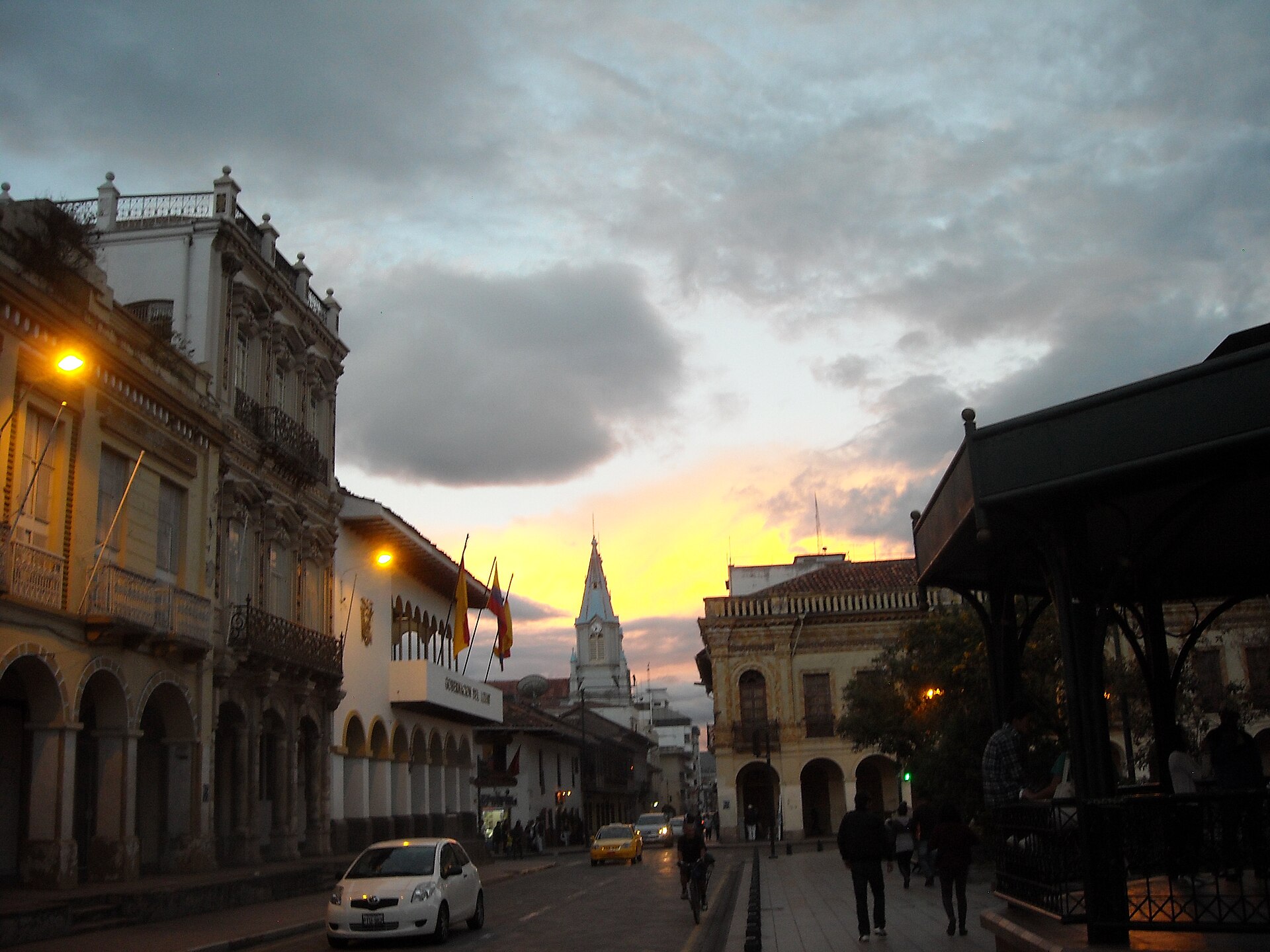
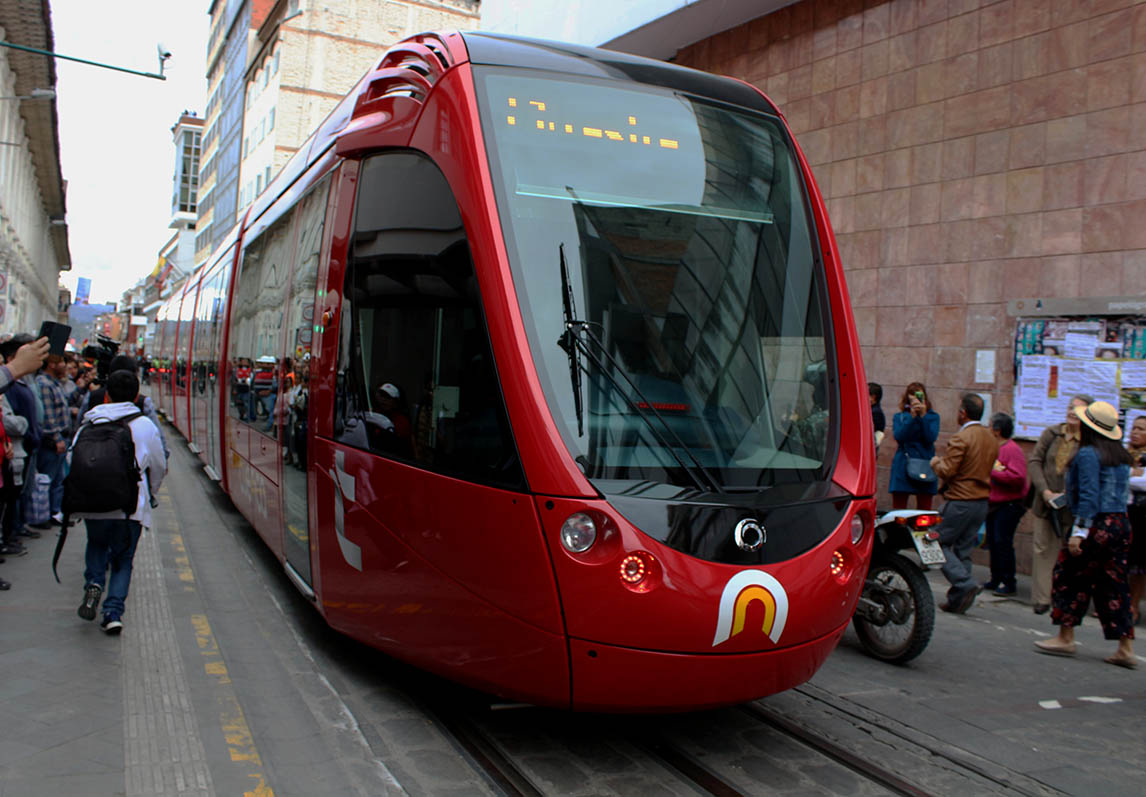
UNESCO historic centre — cobbles, churches, Parque Calderón, the New Cathedral. You can live without a car. You will also live with church bells, buses, and tourists. Apartments in old houses can be cold, beautiful, and stair-heavy. Good if you came for the city, not a suburb.
Yanuncay
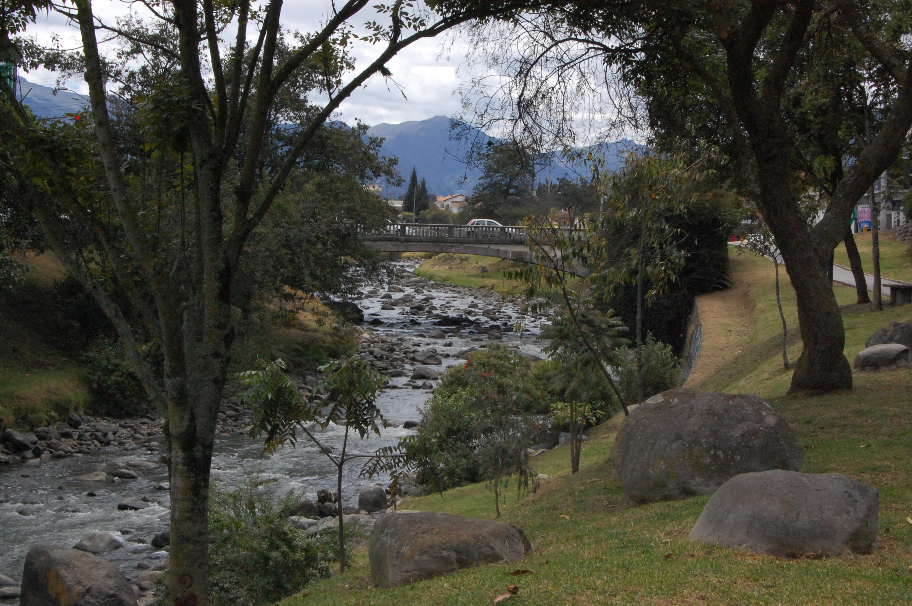
South of the Yanuncay river: residential streets, newer buildings, parks. More elevators and parking than Centro. Still in the city. A common long-stay choice for people who want quiet without leaving town. Confirm flood-plain and traffic on the specific block — rivers here are real.
Challuabamba
East, toward the airport side of the valley. Lower than Centro by a noticeable amount, so it often feels warmer and drier. Larger lots, more car-dependent, more suburban. If you need a house and a garden more than a café on the corner, look here — and budget taxi or driving time.
Gringolandia
Not a parish name. Locals use it for the Ordóñez Lasso / river-west high-rise strip: modern condos, supermarkets, English on some storefronts. Expats are visible; they are still a small share of who lives there. Easy first landing. Easy to never learn the rest of the city if you never leave it.
South / Bomberos / Jardín Botánico
Around the confluence of the Tarqui and Yanuncay, behind the fire station (Cuerpo de Bomberos) on the river paseos, is the Jardín Botánico — a municipal plant garden, not a tourist theme park. The surrounding south-side fabric is local, green, and mixed. Walk Tres Puentes and the river paths. Do not expect a ready-made “expat village.”
How to choose without a spreadsheet of fake rents
Pick three barrios from the list above that match how you actually live (walk vs car, noise, stairs, sun).
Stay in each for a few nights if you can, or walk them at school-run hour and after dark.
Ask neighbors about water pressure, noise, and whether the building has a portero — not just the view.
Treat any number you hear as a snapshot. Rents change. We will not print them.
Municipal information: cuenca.gob.ec. Historic centre context: UNESCO’s listing for Santa Ana de los Ríos de Cuenca. Botanical garden location is publicly described as Paseo Río Tarqui / Paseo Río Cuenca, behind the Bomberos station — confirm hours with the municipio before you go.
FAQ
Where do most English-speaking newcomers live?
Ordóñez Lasso (“Gringolandia”) and Yanuncay show up most in English conversation. Plenty of long-term foreign residents live in Centro, El Vergel, Misicata, and further out. The nickname is not a population statistic.
Do I need a car?
Centro: usually no. Yanuncay: often optional. Challuabamba and many edges: plan on a car or regular taxis. Confirm against your own errands, not a blog’s “walkable city” headline.
Is Centro safe to live in?
It is a functioning historic downtown, not a resort. Use ordinary city sense, walk the exact block, and do not outsource that judgment to a numbered crime-rate graphic from another province.